







Few horror franchises have proved as resilient as Evil Dead. Across four decades, Sam Raimi‘s cult classic has evolved from scrappy cabin-in-the-woods shocker into one of the genre’s most recognisable names, with each new instalment bringing a distinct flavour of terror.
The latest comes courtesy of Sébastien Vaniček, whose outstanding debut, Infested, turned a spider infestation into one of the most nerve-shredding horror films in recent memory. Unsurprisingly, expectations for his take on Evil Dead couldn’t be much higher.
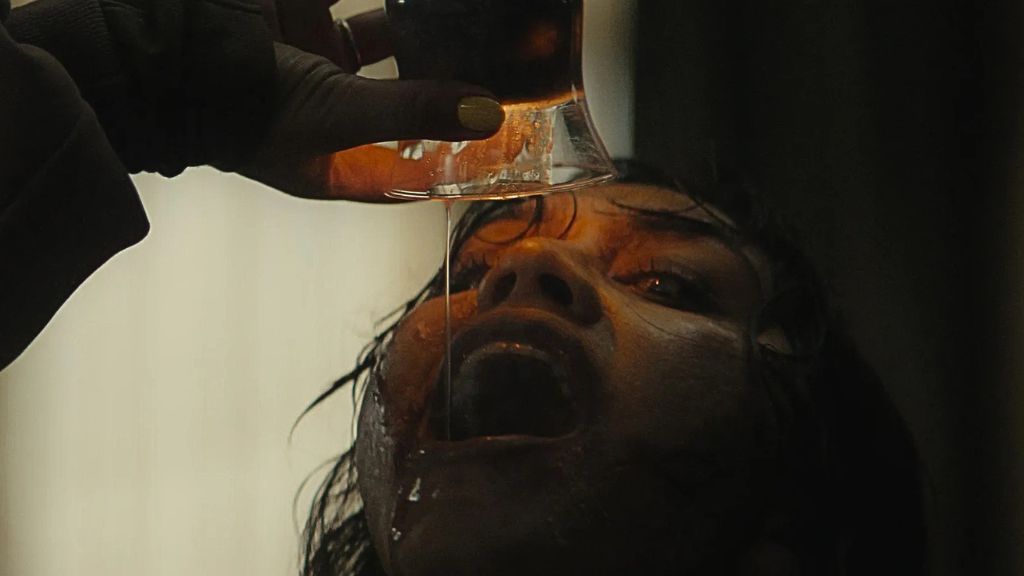
Evil Dead Burn follows a grieving widow who retreats to a remote family home with her late husband’s relatives in the hope of finding comfort after his death. Instead, the arrival of an ancient evil turns mourning into mayhem as family members are transformed into vicious Deadites, forcing the survivors into a brutal fight for their lives.
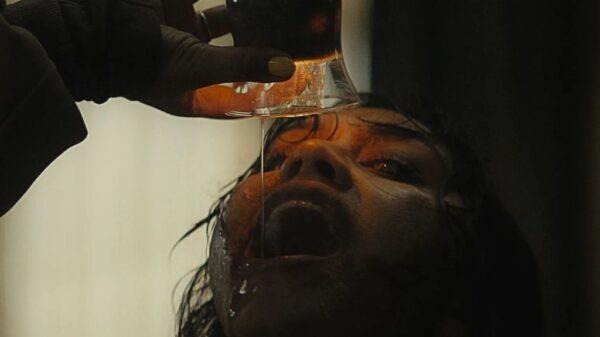
From a purely visual standpoint, there’s little to fault. Vaniček directs with confidence and imagination, crafting inventive horror sequences with fluid camerawork and an impressive grasp of space. The practical effects are grisly without ever tipping into parody, and several set pieces display the same meticulous sense of choreography that made the aforementioned Infested so memorable. Even when absolute mayhem ensues, there’s always a filmmaker firmly in control of the chaos.
The trouble is that, in its determination to outdo itself, Burn gradually loses sight of what it’s building towards. Every sequence strives to be bigger, bloodier and more relentless than the last, yet the cumulative effect is surprisingly numbing. The script introduces ideas surrounding grief, fractured families and generational trauma, but they’re repeatedly sidelined in favor of elaborate splatter sequences before they have and real chance to resonate.
That’s perhaps what Burn misses most about Evil Dead. However savage the franchise became, Raimi always understood the value of rhythm. The terror worked because it ebbed and flowed, making room for absurdity, tension and even the occasional laugh before plunging its audience back into the nightmare. Burn rarely pauses for breath and, in doing so, sacrifices much of the personality that once made the series feel so fresh and distinctive.
Overall, Evil Dead Burn confirms Sébastien Vaniček as one of horror’s most gifted visual stylists, but it also serves as a reminder that great horror isn’t simply about how much punishment its characters—or its audience—can endure. The strongest scares aren’t always the loudest or bloodiest; they’re the ones that give us a reason to care before—and after—the carnage begins.
VERDICT:

Evil Dead Burn is in cinemas now.