







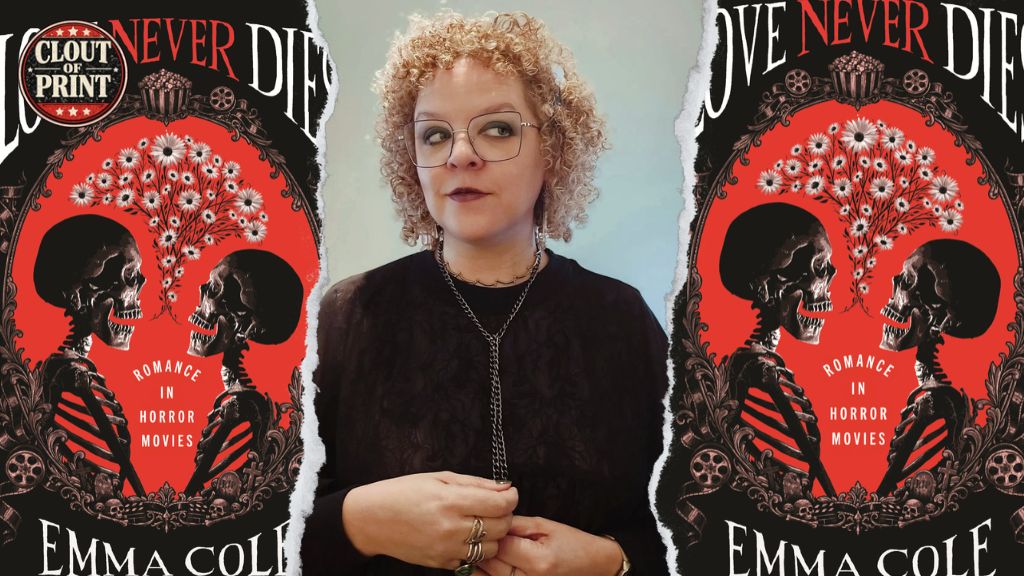
Desire, obsession, intimacy and fear have long been part of horror cinema’s emotional vocabulary. From Gothic romances and doomed love affairs to the more disturbing intersections of sex, violence and bodily transformation, the genre has often found some of its richest material in the complexities of human relationships.
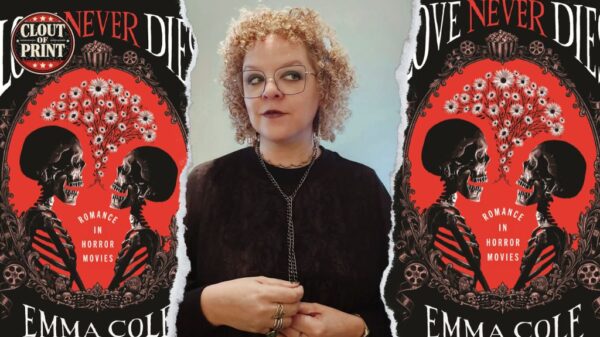
Editor Emma Cole is particularly well placed to explore all of the aforementioned terrain. Cole works as an editor at Harlequin, where she deals with the conventions of romantic fiction, but she has always had a passion for horror. In her new non-fiction book, Love Never Dies, she brings those two interests together to examine what our favourite horror films can tell us about love, sex, society and ourselves.
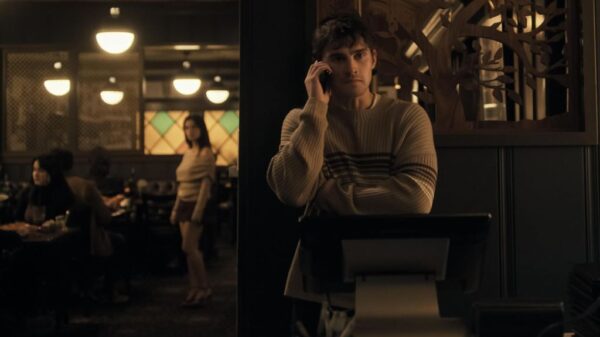
From vampires and Gothic melodrama to slashers, body horror and psychological thrillers, the book examines the romantic undercurrents running through some of cinema’s most memorable horror films. Drawing on everything from Dracula and Rosemary’s Baby to Halloween, The Fly and Heart Eyes, Cole considers how filmmakers have used romance to explore sexuality, consent, power, identity and the boundaries of acceptable desire. Along the way, she challenges familiar assumptions about what constitutes a love story, including why a happy ending isn’t always what romance looks like, and why oftentimes the best thing a horror heroine can do is refuse to fall in love.
 ADD TO GOODREADS
To celebrate the book’s recent release, CinemaChords caught up with Cole to discuss the enduring relationship between horror and romance, how that relationship has evolved from the genre’s earliest days, and what our changing attitudes towards sex, sexuality and consent reveal about the stories we tell. We also cover the enduring appeal of monster romance, the evolution of queer representation on screen, and why body horror can provide such an incisive way of dissecting the complexities of human relationships.