






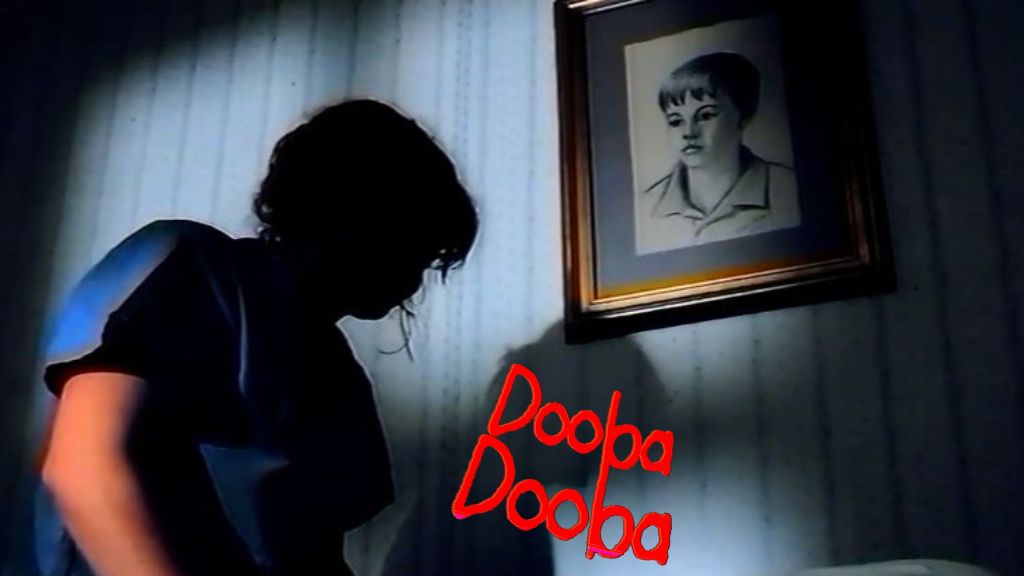
Grainy, hand-held footage has a way of making the familiar feel wrong, like you’re an accessory to what’s happening; and it’s a sensation big studio films seldom manage to forge. Dooba Dooba puts that unease to full use, announcing writer-director Ehrland Hollingsworth as a genuinely exciting voice in experimental horror. Produced on a micro-budget that wouldn’t cover a single day of studio coffee, it’s an unsettling slice of found-footage nightmare that’s guaranteed to burrow into the darkest recesses of your mind and live rent-free for the foreseeable future, even if at times its ambitions slightly outstrip its execution.
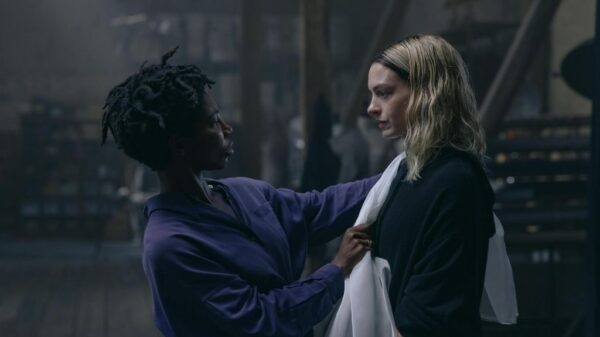
At the centre of the film is a stellar performance from Betsy Sligh as Monroe, a character who brings the kind of fear that works best in these movies: not the jump-scare bogeyman or masked slasher, but something much more down-to-earth, and therefore insinuating. Sligh pitches Monroe perfectly, getting under our skin through small gestures and off-kilter behaviour, rather than telegraphing menace. Amna Vegha provides equally strong support, anchoring the film’s depravity and giving it the emotional foothold that is crucial to the success of this subgenre, offering the audience someone just as authentic-feeling as the footage itself to cling to as the story evolves into the cringing nastiness we ultimately get to witness in all its grimy glory.
Hollingsworth’s direction is impressively assured, especially given the limitations of the budget. Shot on location in a real house — very much a character in itself — the setting becomes an oppressive, claustrophobic presence. It adds another troubling layer of unease to proceedings, while also serving as an eye-melting monument to bad taste: all garish décor and oppressive clutter, daring you to keep looking.
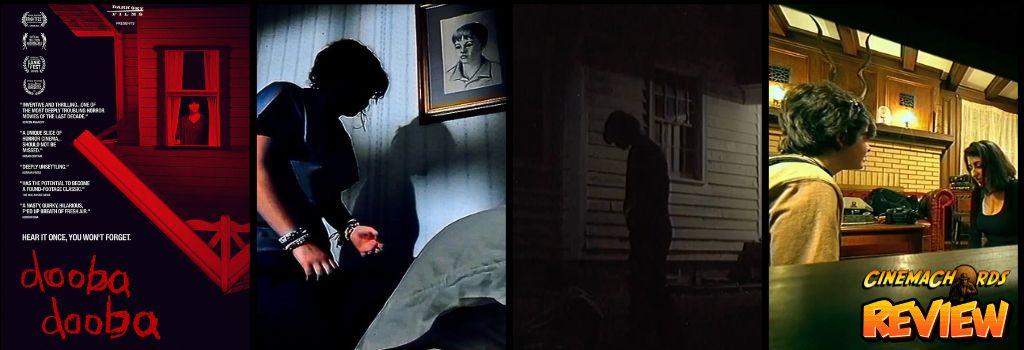
The choice of CCTV as the found-footage medium works exceptionally well, giving the film a chilly, voyeuristic edge and a grim sense of inevitability. You’re not watching events unfold; you’re discovering them after the fact, trapped in a loop of recorded horror.
While Dooba Dooba isn’t overtly political, Hollingsworth opts to situate the story against snippets of some of the worst moments in American history, creating a kind of background resonance that subtly shapes how we perceive the characters’ actions. Even the smallest details are loaded with meaning: Monroe’s family members are all named after former U.S. presidents, a darkly ironic touch that suggests an underlying, more twisted commentary on without ever spelling it out.
This is certainly not for the faint of heart: it’s a messed-up, nasty, and cruel movie, but never gratuitous for its own sake. Hollingsworth clearly understands the power of restraint, letting implication and atmosphere do the heavy lifting. It may not be everyone’s cup of tea, and comparisons have inevitably been made to the fairly recent breakout Skinamarink – another piece of experimental, lo-fi filmmaking that clawed its way into the mainstream. Dooba Dooba gains the upper hand here, thanks to its broader appeal and a tightly judged runtime of 76 minutes, though its experimental edges occasionally feel uneven, keeping it from achieving its full potential.
Uncomfortable, inventive and disturbingly memorable, Dooba Dooba is proof that big ideas and bold filmmaking don’t need big budgets. Hollingsworth has delivered a micro-budget horror that feels anything but small — and one that marks him, and Betsy Sligh, as real talents to watch.
VERDICT:

Dark Sky Films releases Dooba Dooba in theaters and on VOD on January 23, 2026.