





















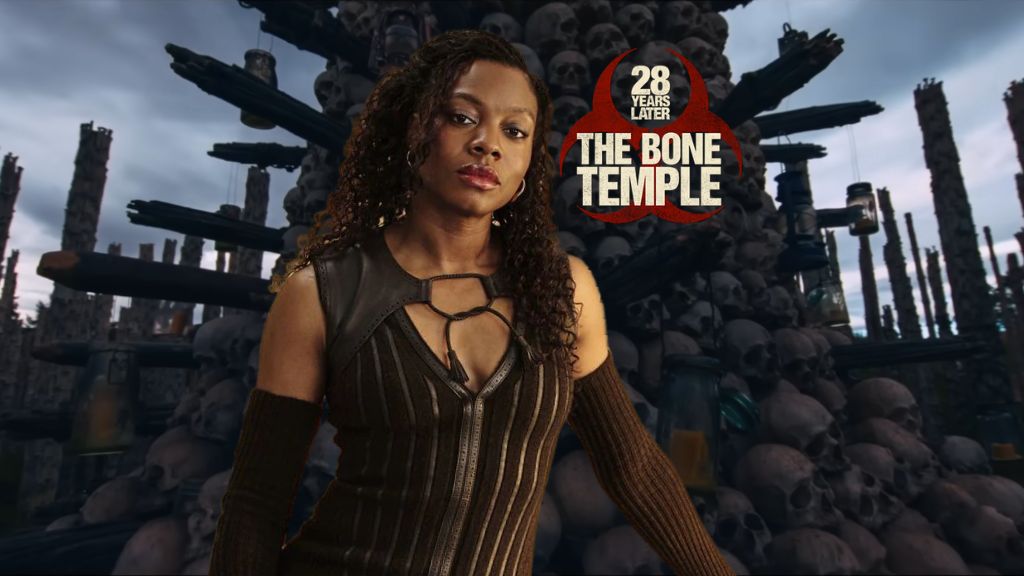
The world of 28 Days Later has always been one of brutal, unrelenting dread. From the moment Cillian Murphy’s Jim awoke in a deserted London, audiences have been gripped by the terrifying reality of the Rage virus. The franchise was brought back to life last summer with the release of Danny Boyle and Alex Garland’s 28 Years Later, which picked up nearly three decades on from the original outbreak and plunged audiences into a new era of horror. Now, the second film in the revitalised saga, 28 Years Later: The Bone Temple, is set to arrive this week, promising to turn that world on its head once again.
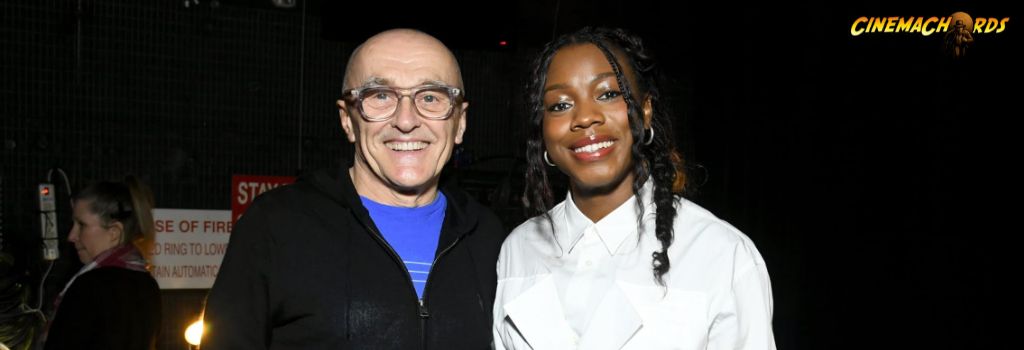
While the first film in this new trilogy marked a long-awaited return for Boyle and Garland, The Bone Temple sees the director’s chair filled by Nia DaCosta (Hedda, Candyman. “Top Boy”). An expert at blending sharp social commentary with visceral horror and high-stakes action, DaCosta was a savvy choice to take the reins and bring a new perspective to the franchise.
The third and final film in the trilogy has also recently been greenlit following early praise for The Bone Temple at advance screenings, meaning audiences can watch the film safe in the knowledge that this chapter is building towards a definitive conclusion.
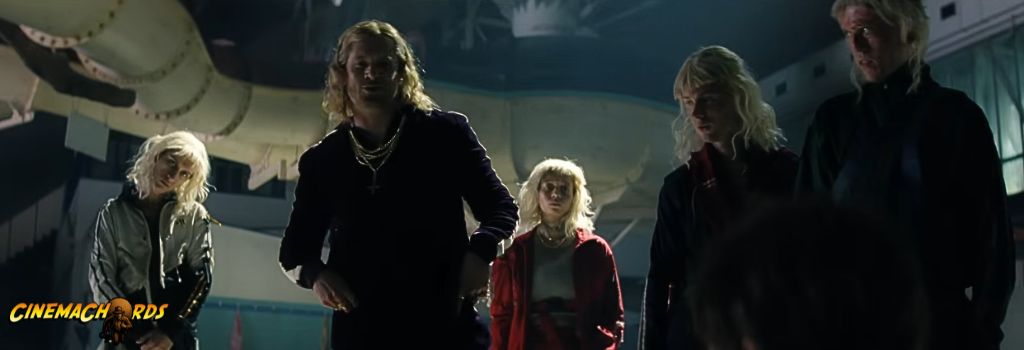
With the infected now a fading threat, the story pivots to something far more unsettling: the survivors themselves, and the inhumanity they are capable of. The film explores the darkest corners of human nature as Dr Kelson (Ralph Fiennes) forges a disturbing new relationship that could change the world, while Spike’s (Alfie Williams) encounter with Jimmy Crystal (Jack O’Connell) — set up at the end of last year’s film — spirals into an inescapable nightmare.
In anticipation of the film’s international theatrical release on 16 January, we sat down with DaCosta to discuss the ideas shaping The Bone Temple — from the way history’s repeating cycles inform its vision of survival, belief and unchecked power, to the challenge of carving out a distinct directorial voice within a world so closely associated with Boyle and Garland.