














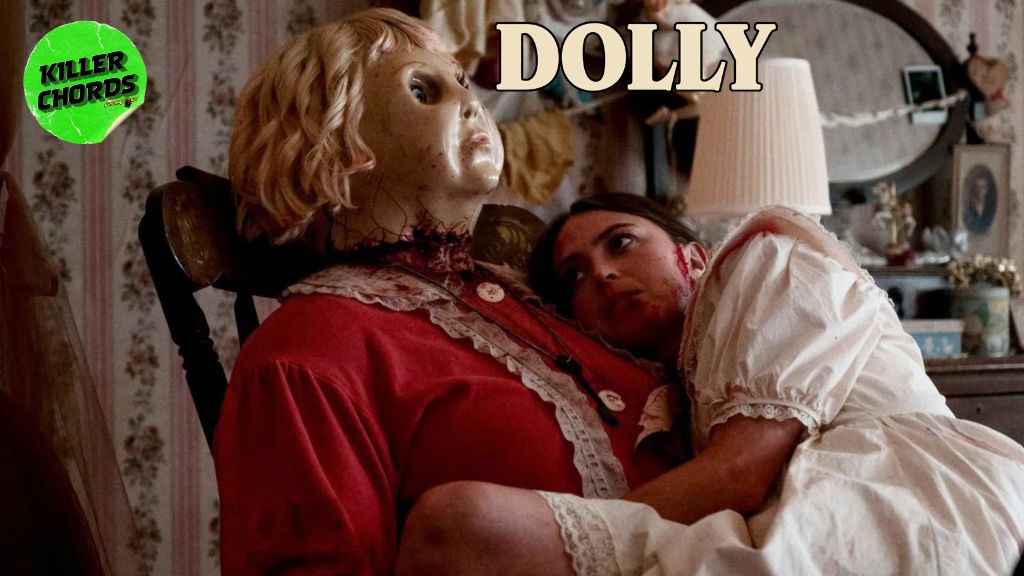
Forget porcelain innocence! Dolly, the new feature from Rod Blackhurst (Blood for Dust), is anything but a china-doll curio gathering dust on a shelf. It’s wired, febrile, and feral.
Sitting somewhere between the skin-crawling shock of New French Extremity and the dirt-under-the-nails grit of ’70s American horror, Dolly unites Fabianne Therese, Seann William Scott, Ethan Suplee and Max the Impaler in a feral spiral of obsession and violence. Shot on location in Chattanooga across a tight 19-day schedule, Blackhurst and his close-knit crew opted for Super 16mm, lending the film a raw, grainy texture that feels suffocatingly grimy and uncomfortably intimate.
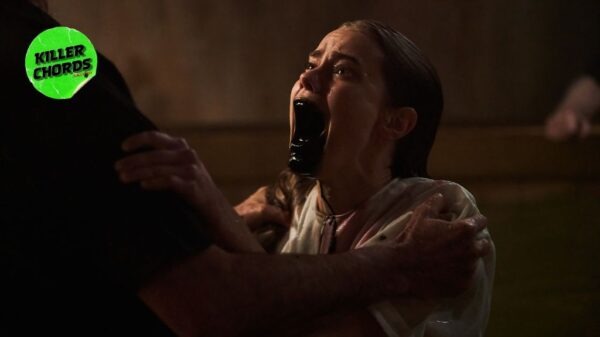
The story follows Macy, whose engagement weekend implodes when she’s snatched by a self-appointed “monster” hellbent on constructing their own twisted version of the perfect family. What follows is a Southern Gothic study in control and delusion, folding folk horror into an increasingly oppressive psychological shocker. Despite leaning heavily into shocks and squeam-inducing violence, Dolly tightens its grip with methodical precision, ruthlessly exposing how the dream of an ideal family can warp into obsession, cruelty, and outright terror.
In anticipation of the film’s March 6 theatrical release, CinemaChords’ Howard Gorman sat down with Therese and Max the Impaler to unpack Blackhurst’s uncompromising vision. They shared insights on the emotional high-wire act the film called for, the intimate and sometimes intimidating nature of shooting on Super 16mm, and the tricky balance of trust and fear involved in inhabiting a world where the concept of family has become a breeding ground for obsession, control, and moral decay.