














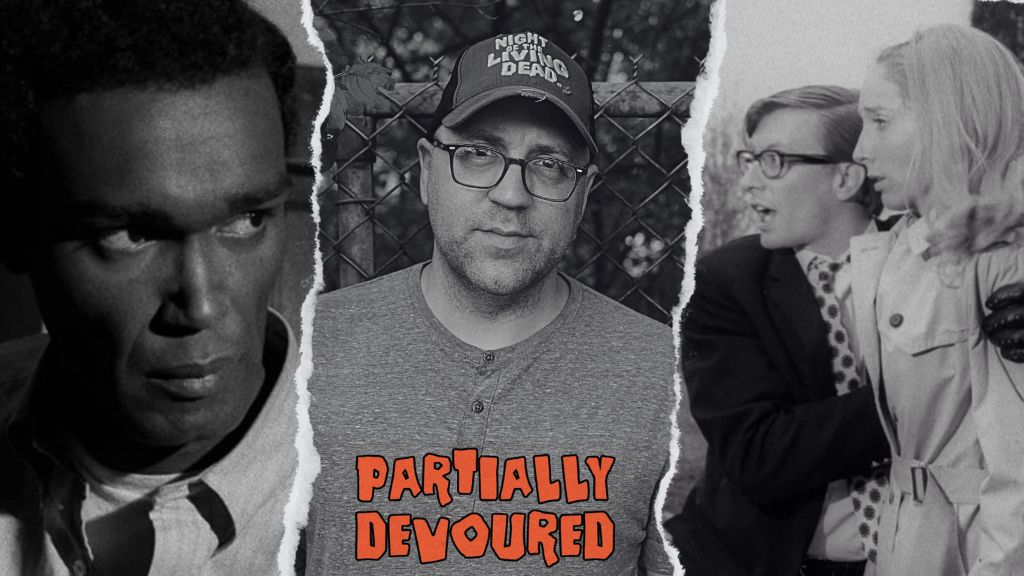
Daniel Kraus has established himself as one of the most distinctive voices working in contemporary horror and dark fantasy across novels, film, and television. A New York Times bestselling writer, his recent, relentless novel Angel Down was named a New York Times Top 10 Book of 2025 and became a USA Today bestseller, while the meditative Whalefall earned a rare front-cover review in the New York Times Book Review, won the Alex Award, and was named among the year’s best books by NPR, the New York Times, Amazon, and the Chicago Tribune.
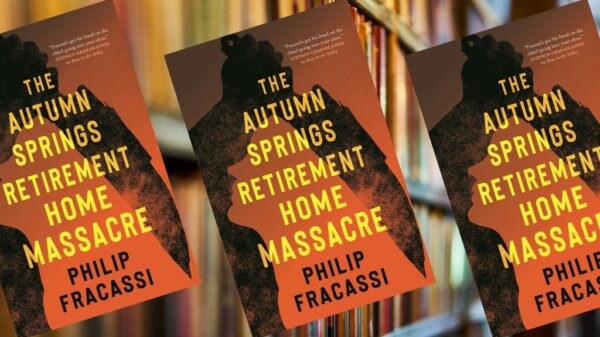
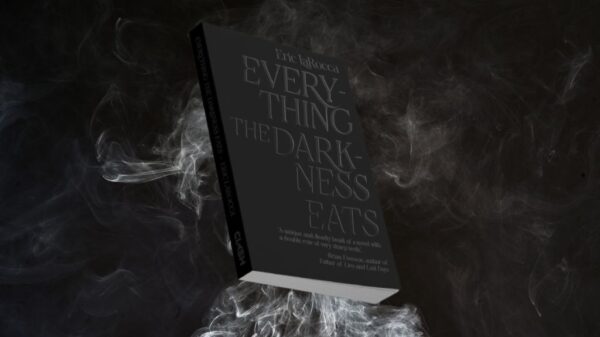
Kraus has also collaborated with some of genre storytelling’s most influential figures: with Guillermo del Toro, he co-wrote the novelization of The Shape of Water and Trollhunters, later adapted into an Emmy-winning series for Netflix, while with the late horror pioneer George A. Romero, he co-authored The Living Dead and Pay the Piper. Over the course of a career that includes The Death and Life of Zebulon Finch, Rotters, and Scowler, and which has earned a Bram Stoker Award, a Scribe Award, and two Odyssey Awards, Kraus’s work has been translated into over 25 languages.
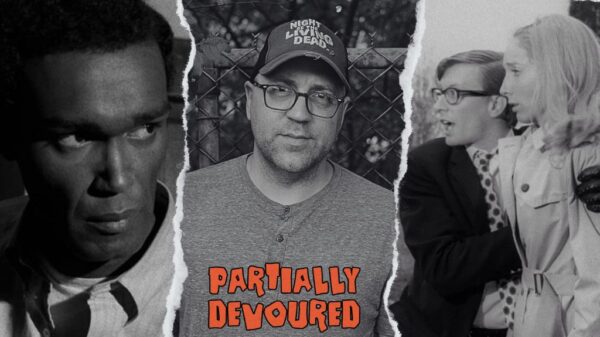
His latest book, Partially Devoured: How Night of the Living Dead Saved My Life and Changed the World, invites readers to explore the film itself alongside its myriad interpretations and enduring influence. It opens with Kraus’s first encounter with Night of the Living Dead at the tender age of five – a terrifying introduction to horror that has stayed with him ever since. Over the years, he has watched the film countless times, forensically dissecting it to examine its significance, its lessons about fear, and the ways it intertwined with his own childhood, marked by rural isolation and local violence.
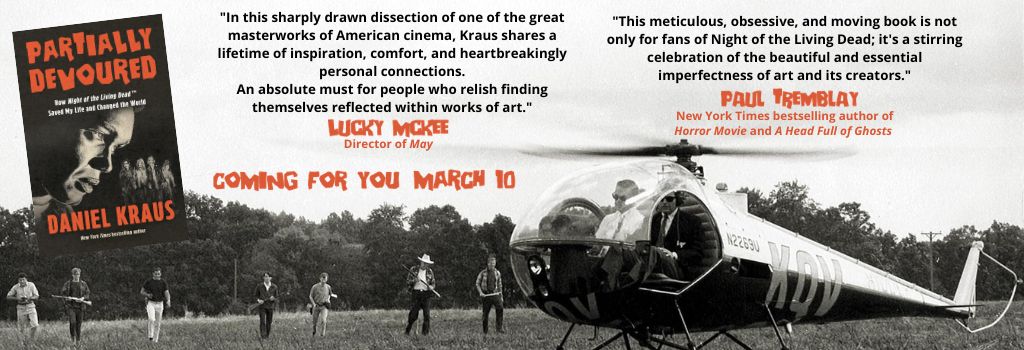
Blending film analysis, memoir, and cultural reflection, Partially Devoured is far more than a passion project: every triumph, quirk, and misstep of Night of the Living Dead comes under meticulous scrutiny. Fans, newcomers, and even those who have never fully clicked with the film will find themselves drawn back to it, examining every frame and discovery, eager to follow Kraus’s razor-sharp insights into one of cinema’s most enduring horror classics.
Ahead of the book’s March 10 release, CinemaChords sat down with Kraus to talk about returning to Romero’s classic, not just as a fan, but as someone whose creative life has been profoundly shaped by it. Our conversation covers horror’s paradox: how it terrifies us while also serving as a kind of protective shield; how genre storytelling can turn fear into understanding and empathy; and how Kraus’s work calls its audience to account, all the while keeping readers entertained and unsettled. We also discuss the author’s creative rebirth, rising from the dark depths of Scowler through the reinvigorating project that followed with Guillermo del Toro, and how those experiences echo the struggles, transformations, and enduring artistry of Romero himself.